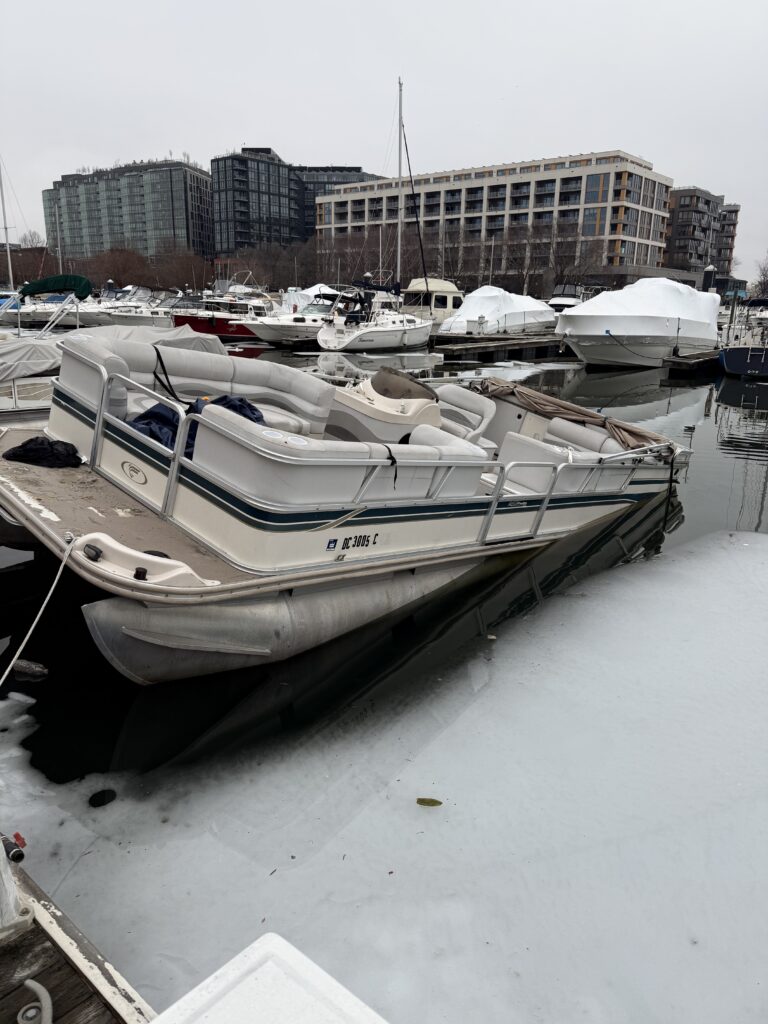
Every fall, we have some version of the same conversation at the marina. A boater pulls in at the end of the season, asks whether they really need to winterize, and wonders if skipping a few steps will be okay just this one year. We always give the same answer because we genuinely care about what happens to your boat over the winter.
The short version: Yes, you really do need to winterize, and doing it properly matters more than most boaters realize.
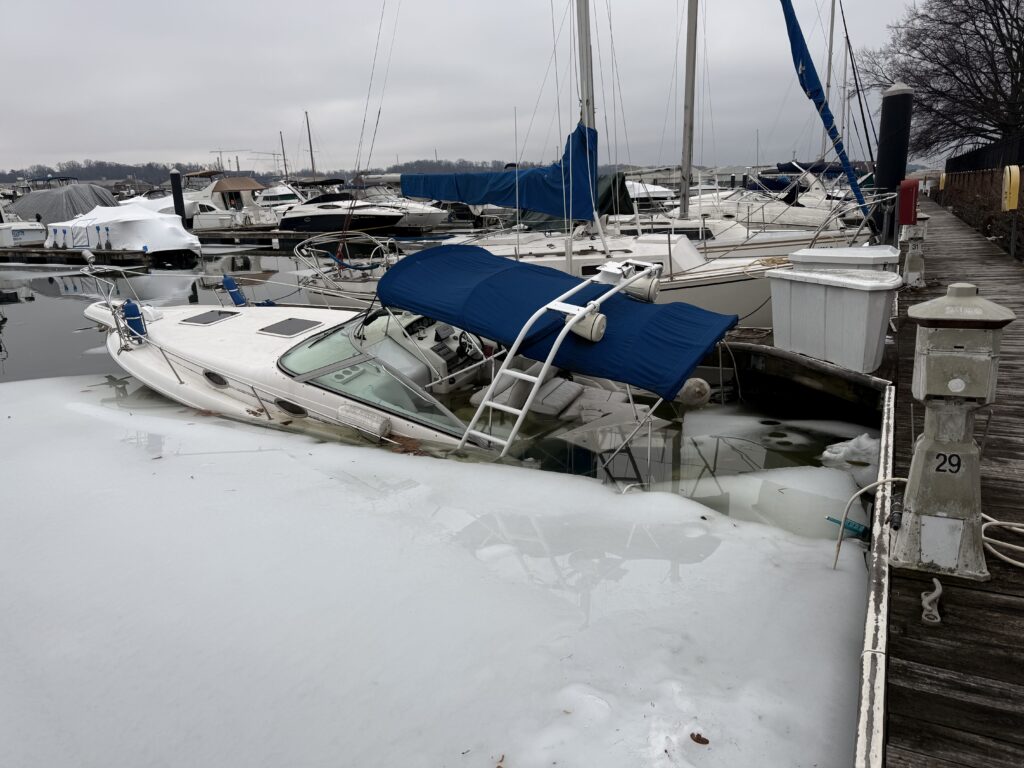
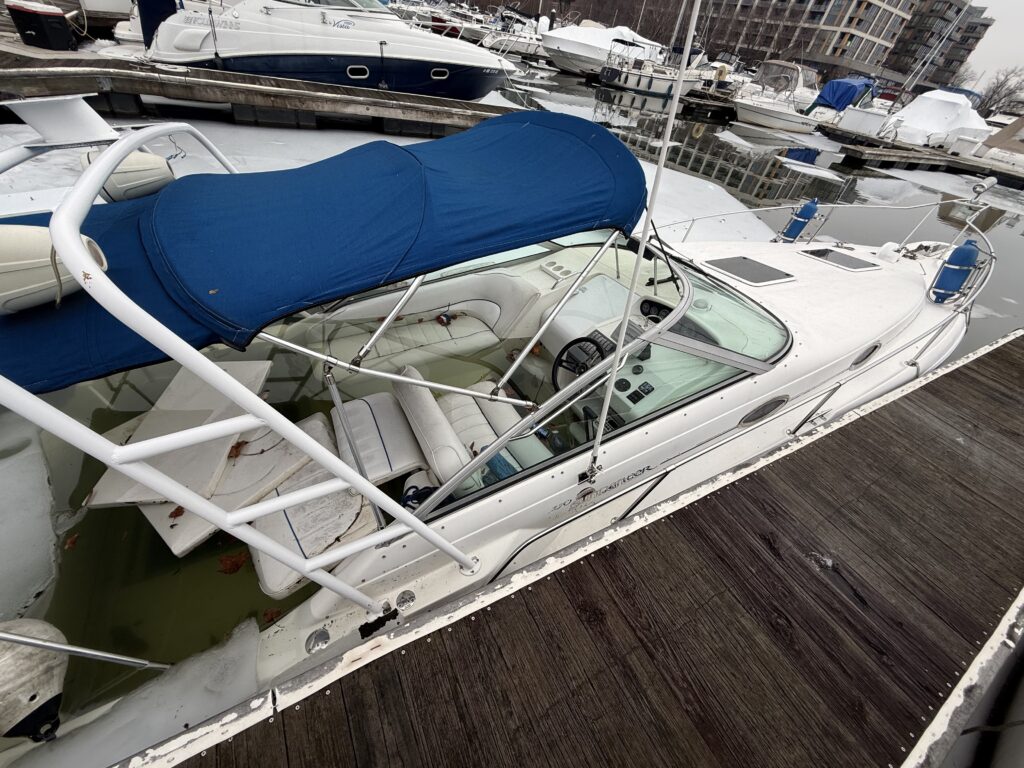
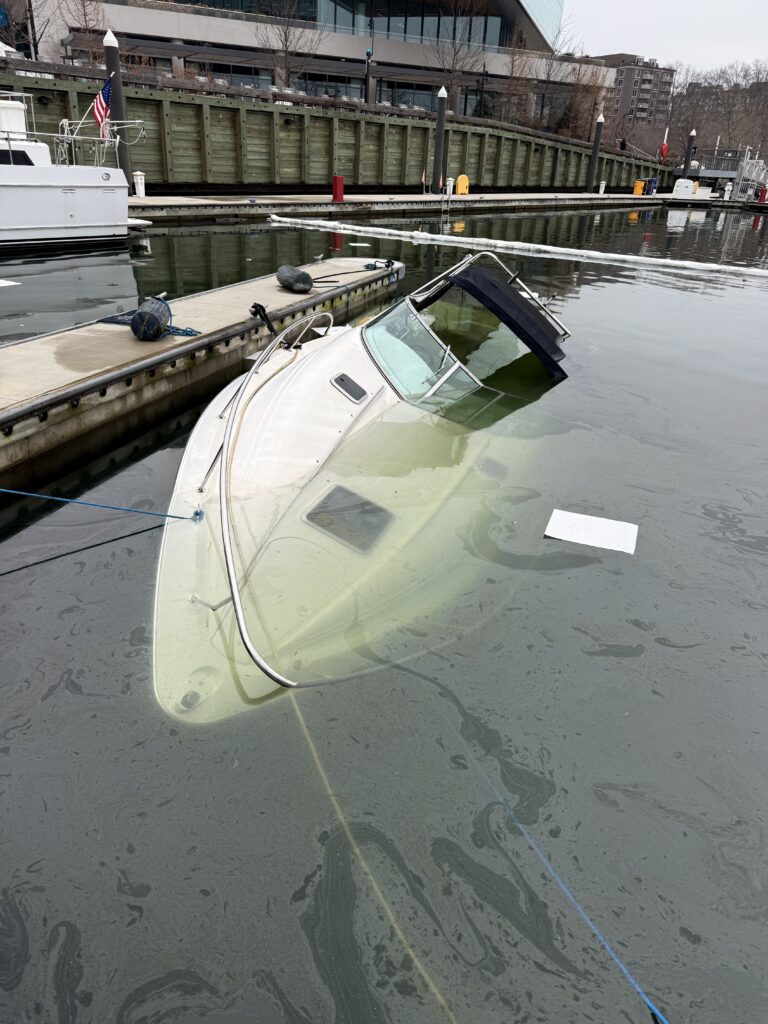
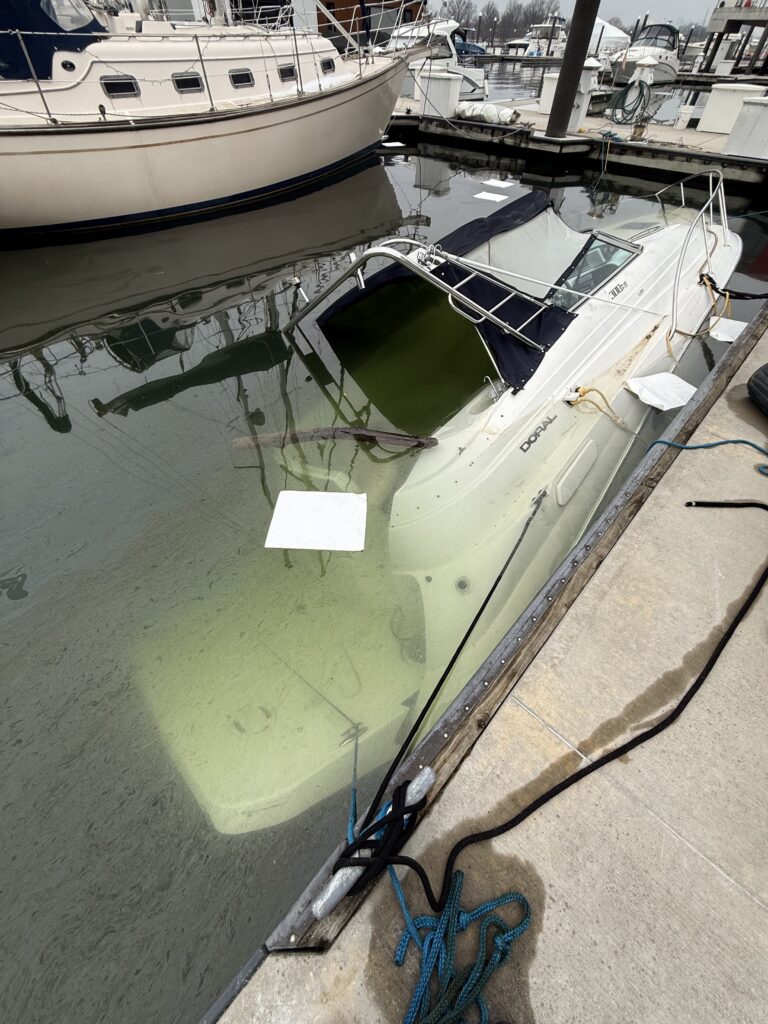
At Hampton’s Landing Marina, we’ve been serving Potomac River boaters from our home on Neabsco Creek in Woodbridge, Virginia, for over 40 years. We have seen what a well-winterized boat looks like in the spring. We have also seen what happens when winterization gets skipped or rushed. Terry Hill, our President, has personally overseen the recovery of vessels that capsized or suffered catastrophic damage due in part to improper winterization. Those images stay with you. They’re a sobering reminder that a little preparation in the fall can save a boater an enormous amount of heartache or expense in the spring.
So let’s answer the questions we hear most often, and make sure your boat is ready for whatever the Potomac winter has in store.
What is Winterization, and Why Does It Matter on the Potomac River?
Winterization is the process of preparing your boat for the cold months ahead. You are protecting its engine, plumbing, hull, and onboard systems from the damage that freezing temperatures, moisture, and prolonged storage can cause.
The Potomac River region experiences genuine winter. Woodbridge and the surrounding area regularly see temperatures well below freezing, and water that finds its way into an engine block, raw water cooling system, or bilge can expand as it freezes, cracking components, splitting hoses, and causing damage that ranges from expensive to catastrophic. Boats left on the water without proper preparation are also vulnerable to taking on water in rough winter conditions, which is exactly how some of the vessels Terry has recovered ended up in trouble.
Winterization is not just about protecting your engine. It’s about protecting the entire investment.
What happens if I don’t winterize my boat properly?
This is the question with the most sobering answer, and it’s worth being direct about. Improper winterization can result in:
- Cracked engine blocks and cylinder heads.
Water left in the cooling system freezes, expands, and fractures the engine block. This is one of the most expensive repairs a boat owner can face, often running into thousands of dollars or rendering an engine unrepairable. - Split hoses and damaged raw water systems.
Raw water cooling systems have multiple hoses, fittings, and components that can crack under freezing pressure. These failures aren’t always immediately obvious, which means a boat can take on water quietly and dangerously. - Corrupted fuel systems.
Gasoline left untreated over the winter degrades, absorbs moisture, and can gum up carburetors, fuel injectors, and fuel lines. This can lead to hard starts, rough running, or complete fuel system failures in the spring. - Electrical damage.
Moisture and condensation over a wet winter can wreak havoc on onboard electronics, corroding connections and damaging components that were perfectly functional in October. - Structural damage from water intrusion.
A boat that isn’t properly covered and sealed can accumulate standing water, which adds weight, accelerates gelcoat degradation, and in serious cases contributes to stability issues that put the vessel at risk.
We have seen the aftermath of all these scenarios at Hampton’s Landing Marina. The cost is both financially and emotionally draining.
When Should I Winterize My Boat on the Potomac
As a general rule, you want to have your boat winterized before nighttime temperatures consistently drop below 32°F. In the Woodbridge area, that typically means getting your winterization done by mid-to-late November at the latest, but earlier is always better.
Don’t wait until the last minute. Our services team gets busy as the season winds down, and scheduling winterization early ensures your boat gets the attention it deserves rather than a rushed job at the end of a long day.
What Does a Proper Winterization Include? A Step-by-Step Overview
Here is what a thorough winterization looks like for a typical powerboat on the Potomac:
Step 1: Engine fogging and oil change.
The engine should be fogged with a protective oil spray to coat internal components and prevent corrosion during storage. The oil and oil filter should be changed. Used oil contains combustion byproducts and moisture that will continue to degrade engine components if left sitting all winter.
Step 2: Flush and drain the cooling system.
For raw water-cooled engines, the entire cooling system needs to be flushed and drained completely. For freshwater-cooled engines, the coolant should be checked and replaced if needed. Every water passage needs to be clear of standing water before freezing temperatures arrive.
Step 3: Fuel system treatment.
Add a quality fuel stabilizer to a full tank of fresh fuel. A full tank reduces the condensation that forms in partially empty tanks over winter. Run the engine long enough to circulate the treated fuel through the entire system.
Step 4: Battery maintenance.
Disconnect batteries and store them in a climate-controlled environment, connected to a trickle charger or battery maintainer. Batteries left discharged in freezing temperatures lose capacity rapidly and often don’t recover fully.
Step 5: Flush and winterize the raw water plumbing.
Any onboard plumbing like livewells, bilge systems, head systems, and fresh water systems need to be flushed, drained, and treated with non-toxic antifreeze where standing water cannot be fully eliminated.
Step 6: Clean and protect the hull and exterior.
Wash the hull thoroughly, apply a quality wax or protective coating, and address any gelcoat chips or cracks before they allow moisture intrusion over the winter.
Step 7: Cover or shrink wrap the vessel.
This is the step that surprises some boaters in terms of how much it matters.
Is Shrink Wrap Worth It? Why Not Just Use a Regular Boat Cover?
We get this question every fall, and our answer is always the same: for boats stored outdoors through a Potomac River winter, shrink wrap is worth every penny.
A properly applied shrink wrap creates a custom-fitted, weathertight seal around your entire vessel, one that a standard boat cover simply cannot replicate. It keeps rain, snow, and debris out completely, prevents the pooling of standing water on deck surfaces, and dramatically reduces the moisture intrusion that causes so much of the hidden damage boaters discover in the spring. It also protects your canvas, upholstery, and electronics from UV exposure and weather degradation.
Shrink wrap is not just about keeping things dry. It’s about coming back to a boat in April that’s genuinely ready to be launched, rather than one that needs a weekend of cleaning, drying out, and repairs before it ever touches the water.
Where Can I Store My Boat This Winter Near Woodbridge, VA?
Hampton’s Landing Marina offers boat and trailer storage for the off-season, with a location on Neabsco Creek that’s convenient for boaters throughout the Woodbridge, Dumfries, and greater Prince William County area. Storing your boat with us means it’s in a familiar, trusted environment, and that our team is nearby if any issues need attention over the winter months.
Ready to get your boat squared away for the season? Contact us today at 703-221-4915 or stop by the marina, and let’s make sure your boat is protected all winter long. Your spring self will thank you.